Woes of Munambam fisherfolk increase, as catch reduces
They struggle to make ends meet as expenses shoot up and laws against catching small fish complicate the issue
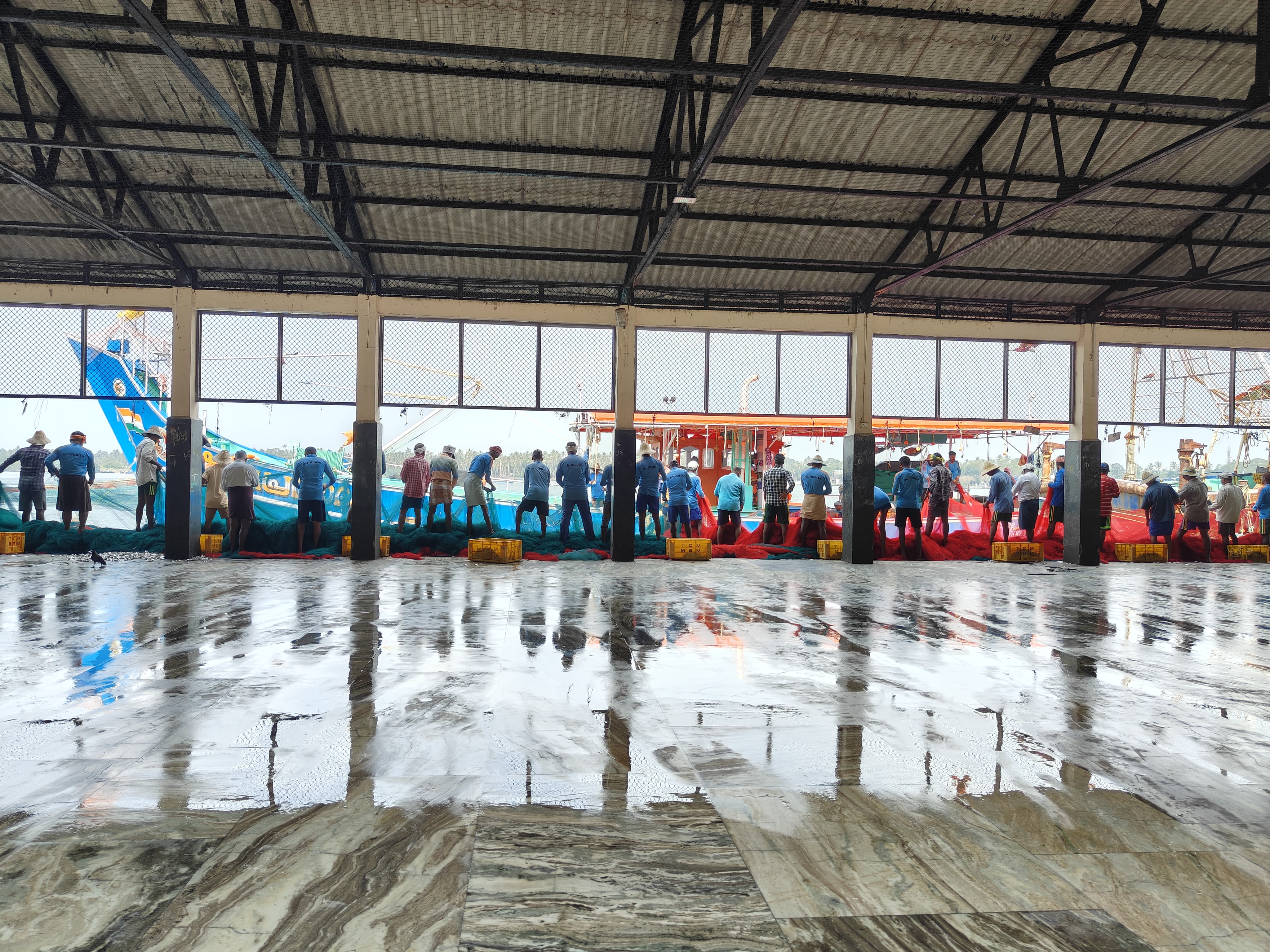

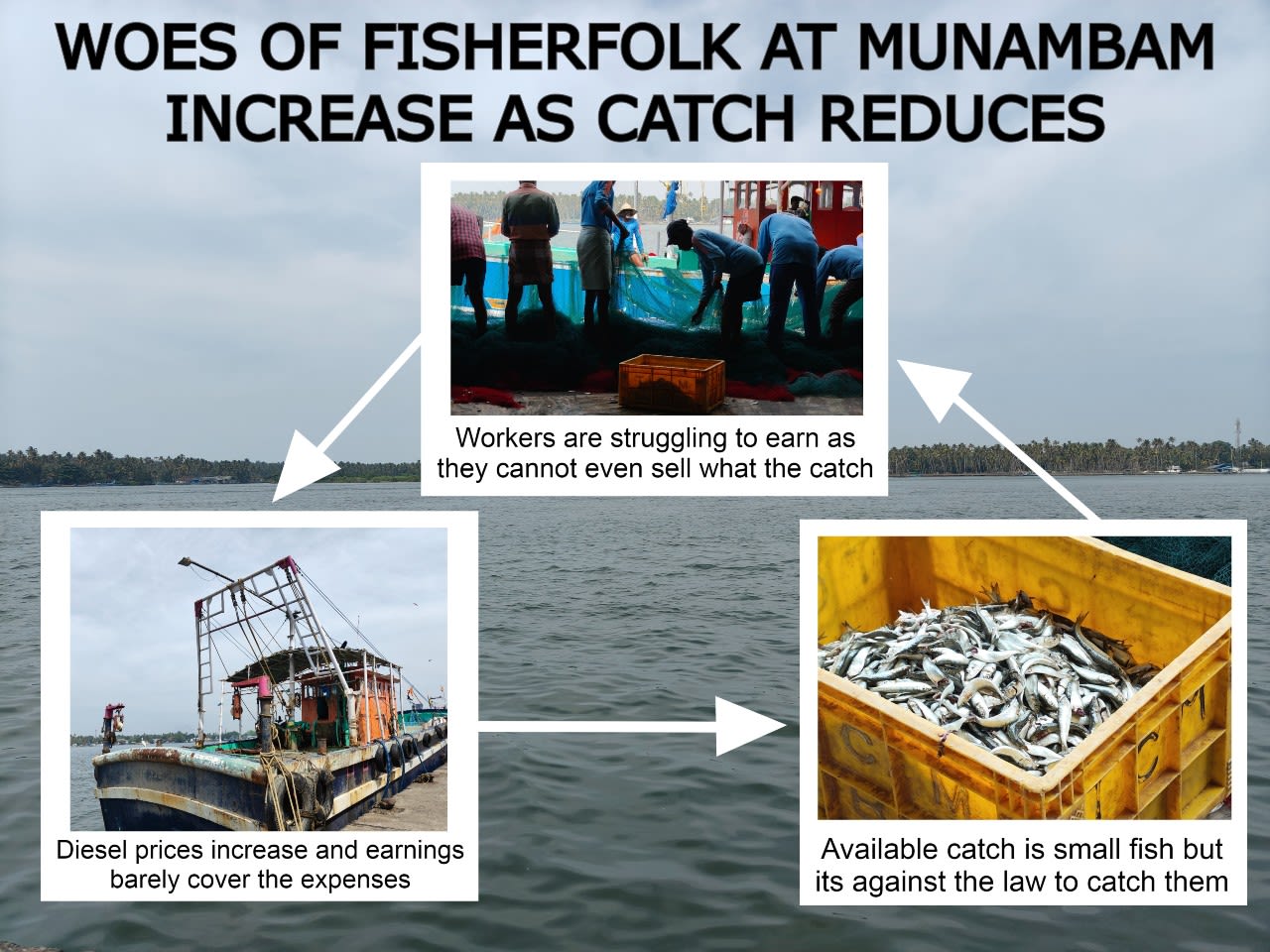
Munambam (Kochi): Munambam is a coastal town located in Ernakulam district, and its people rely on fishing for a livelihood. As catch from the sea is reducing by the day and diesel prices increase, there is no subsidy given to them by the government.
Fisherfolk struggle to keep their livelihoods afloat, as the money they make barely covers the expenses they need to meet.
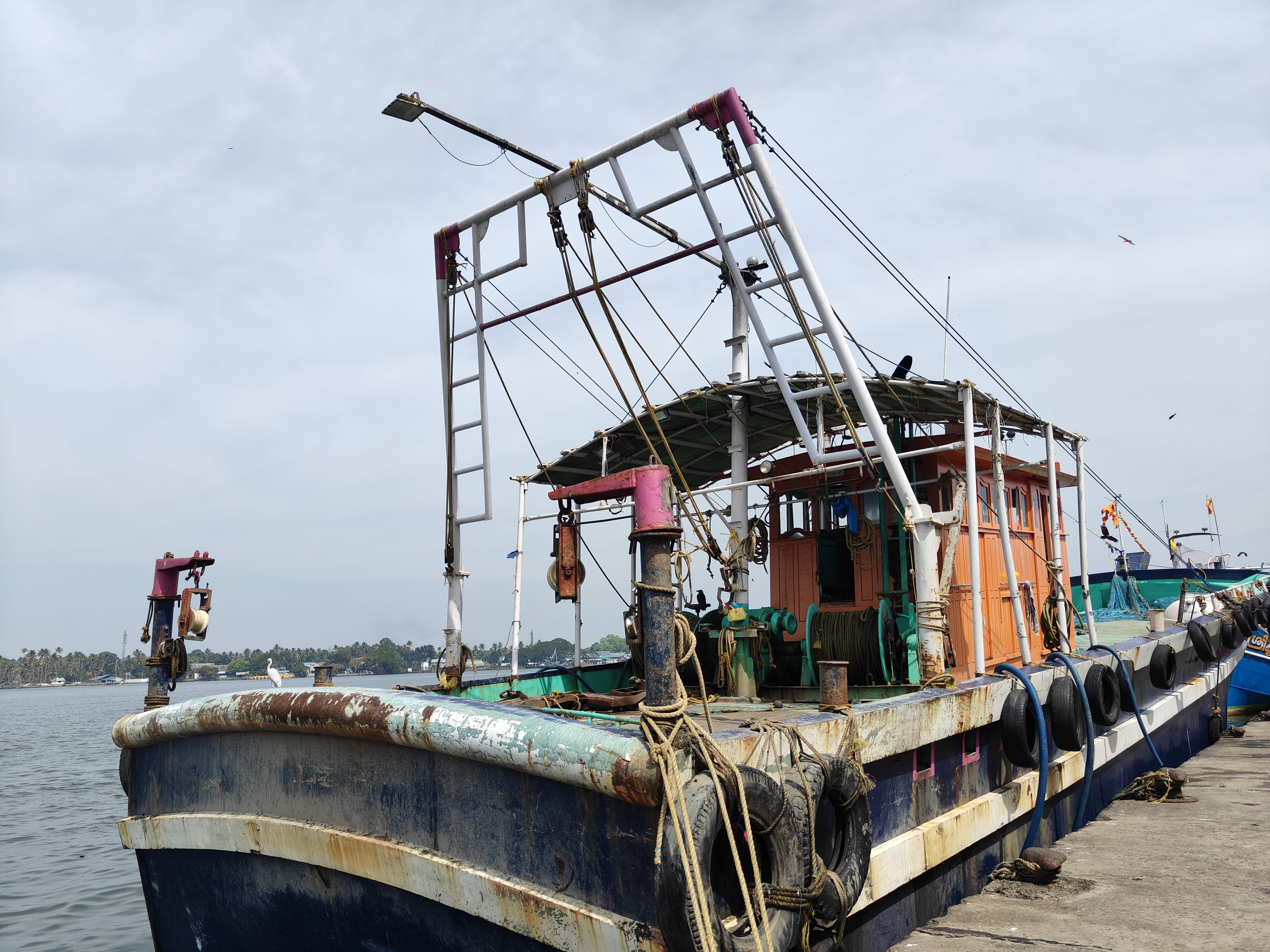
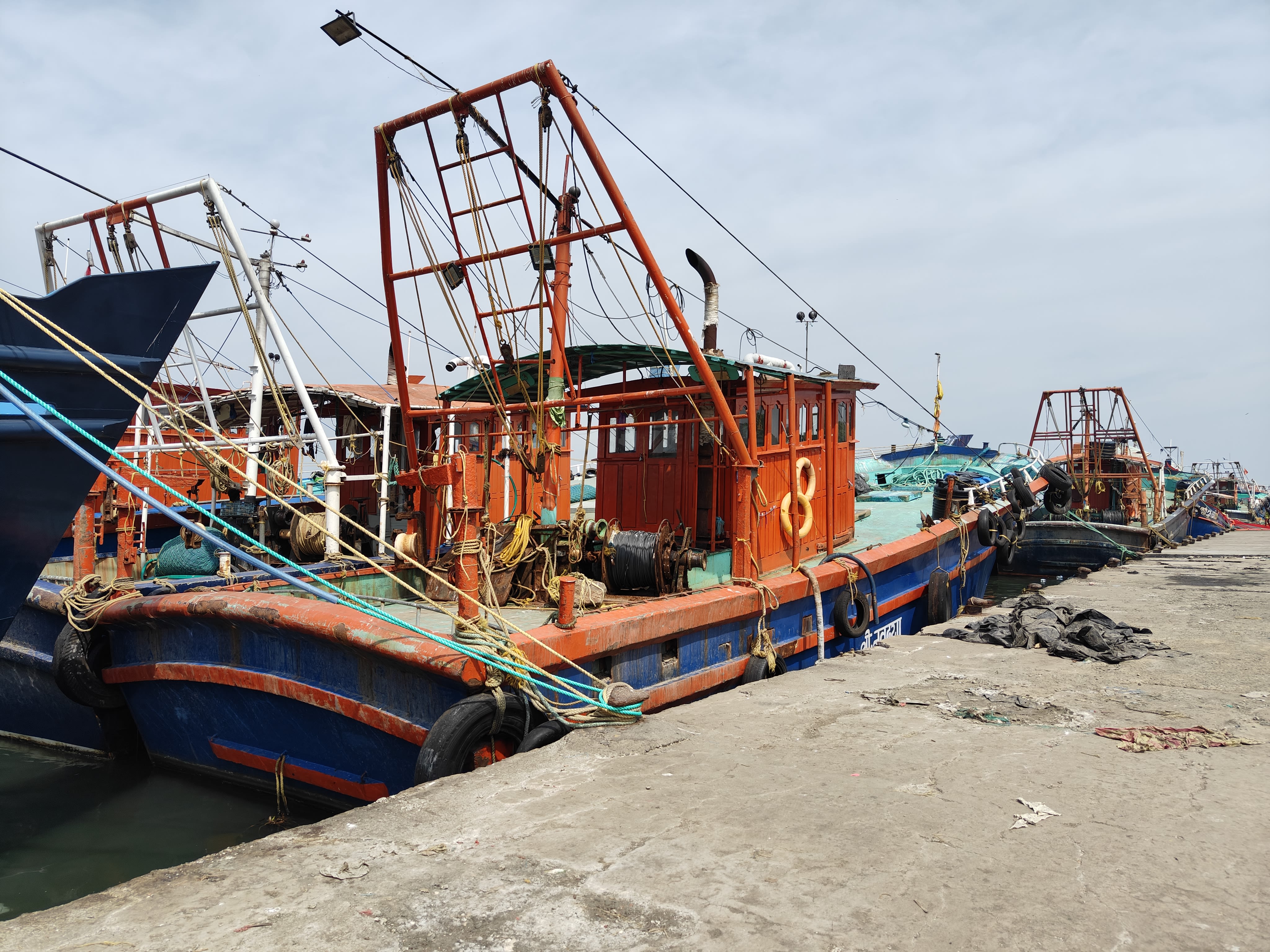
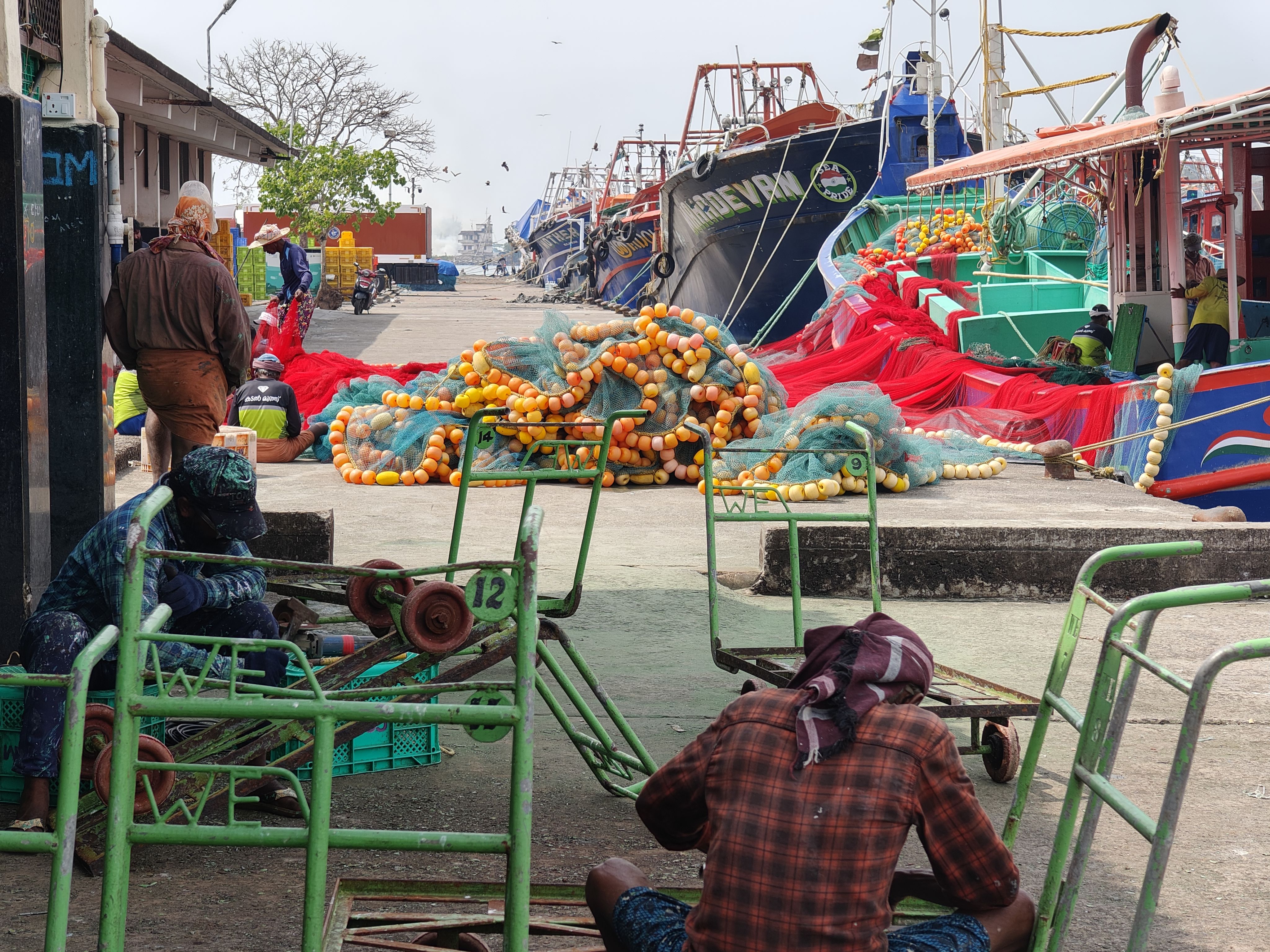
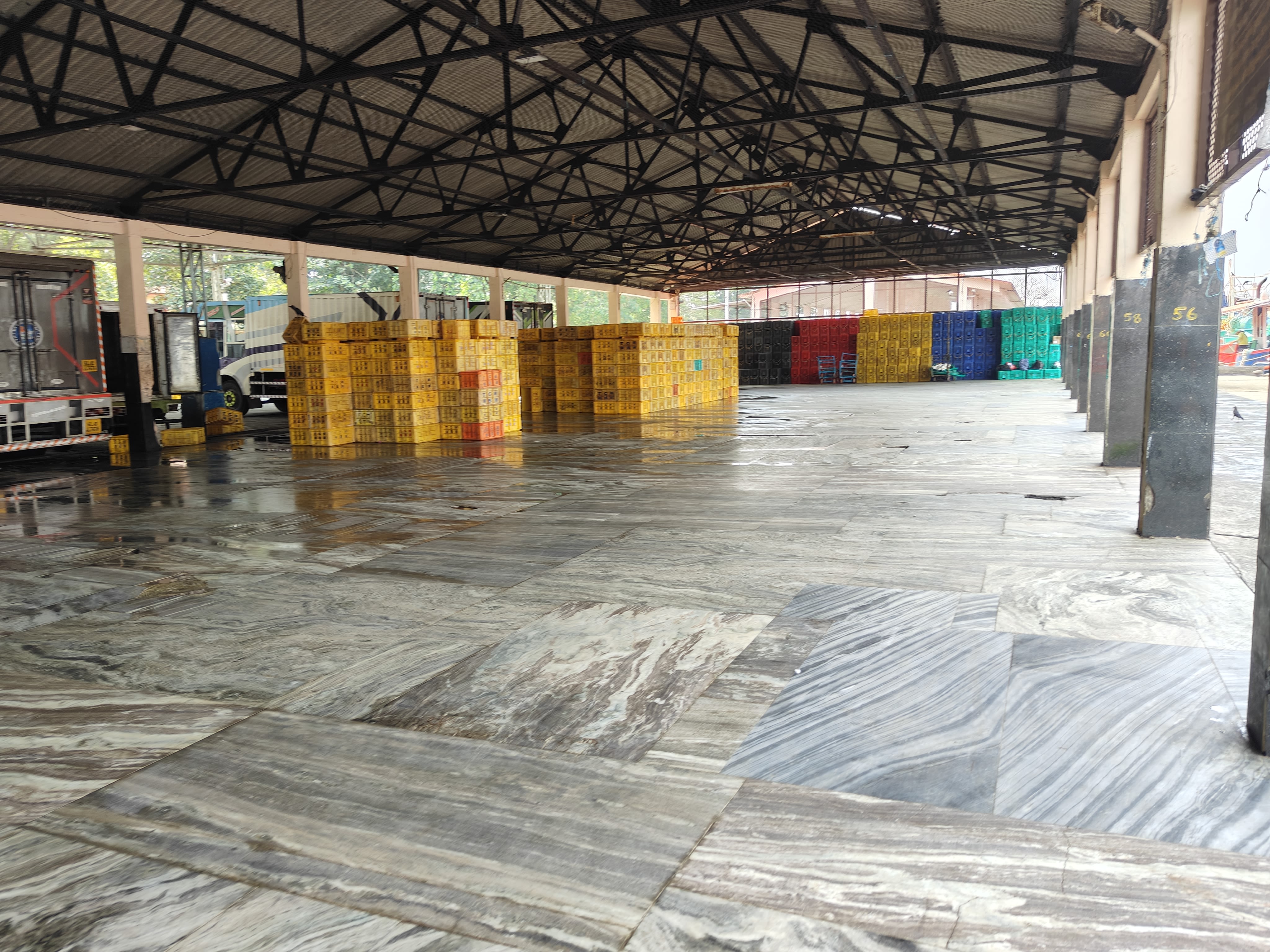
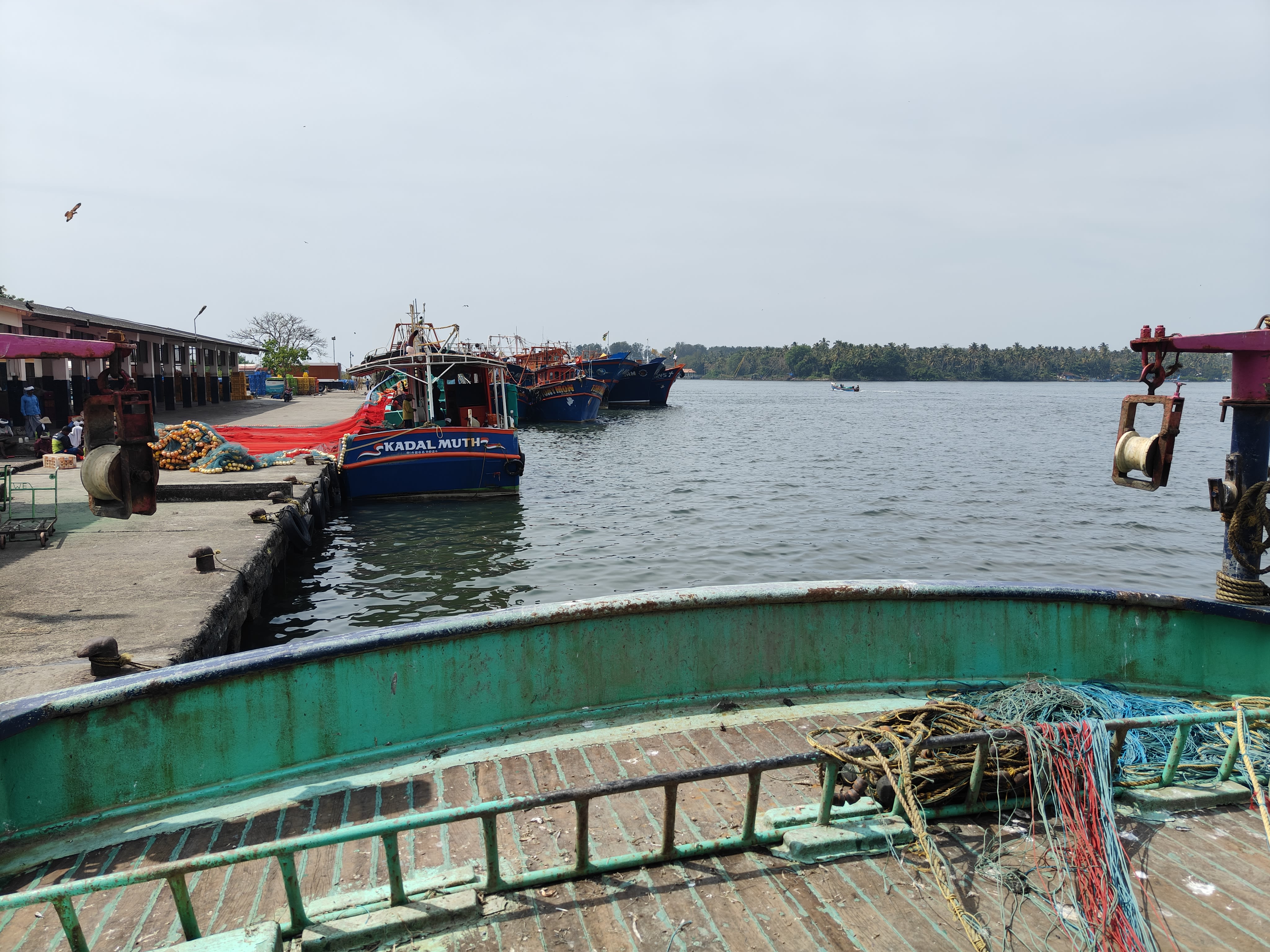
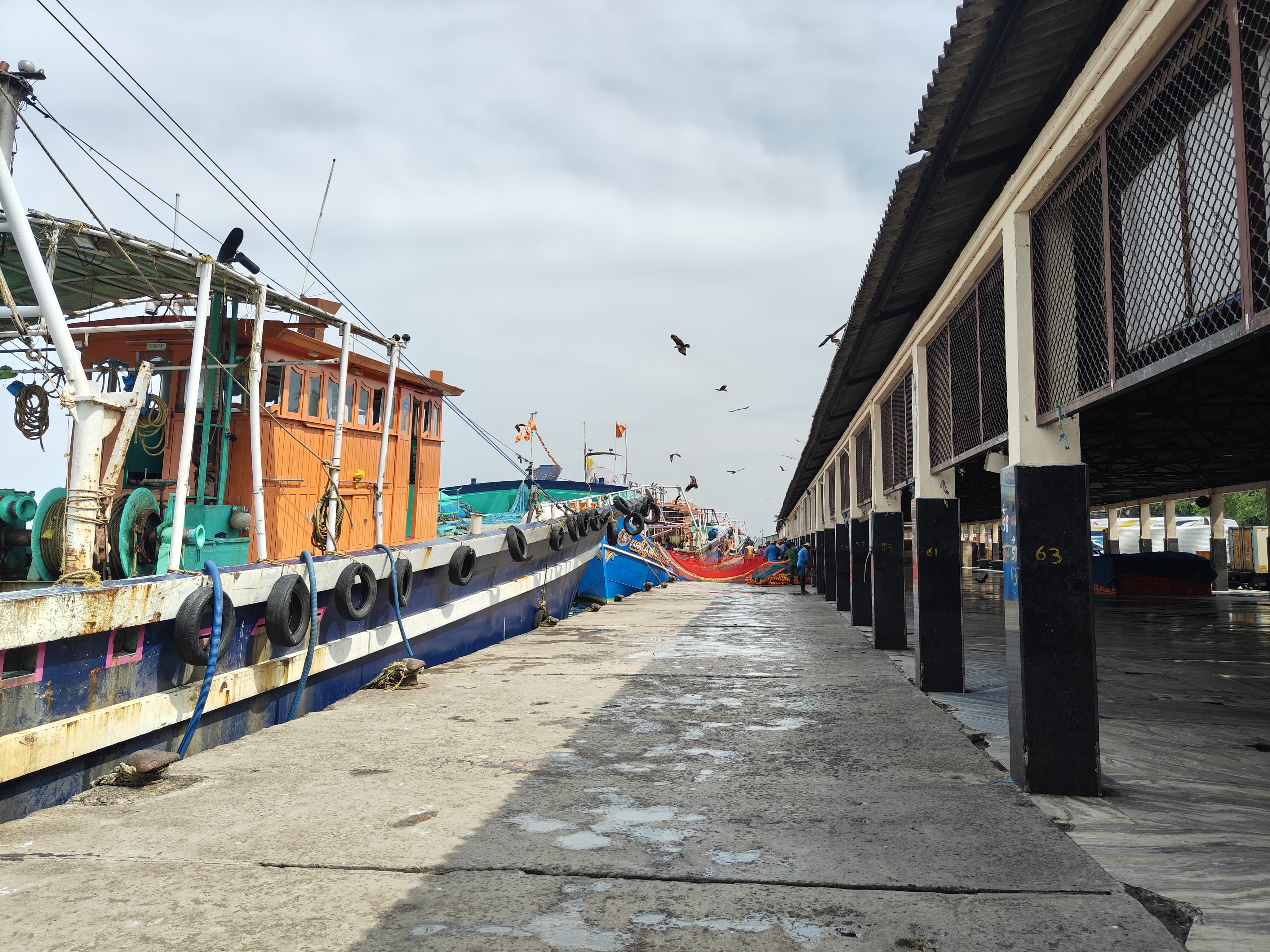
Located around 30 km from the main city, Munambam Harbour is one of the biggest in Kerala and has more than 90 per cent mechanised trawlers that run on high-speed engines.
Despite being such a big facility with resources, fishermen say that the catch has now dipped to the lowest.

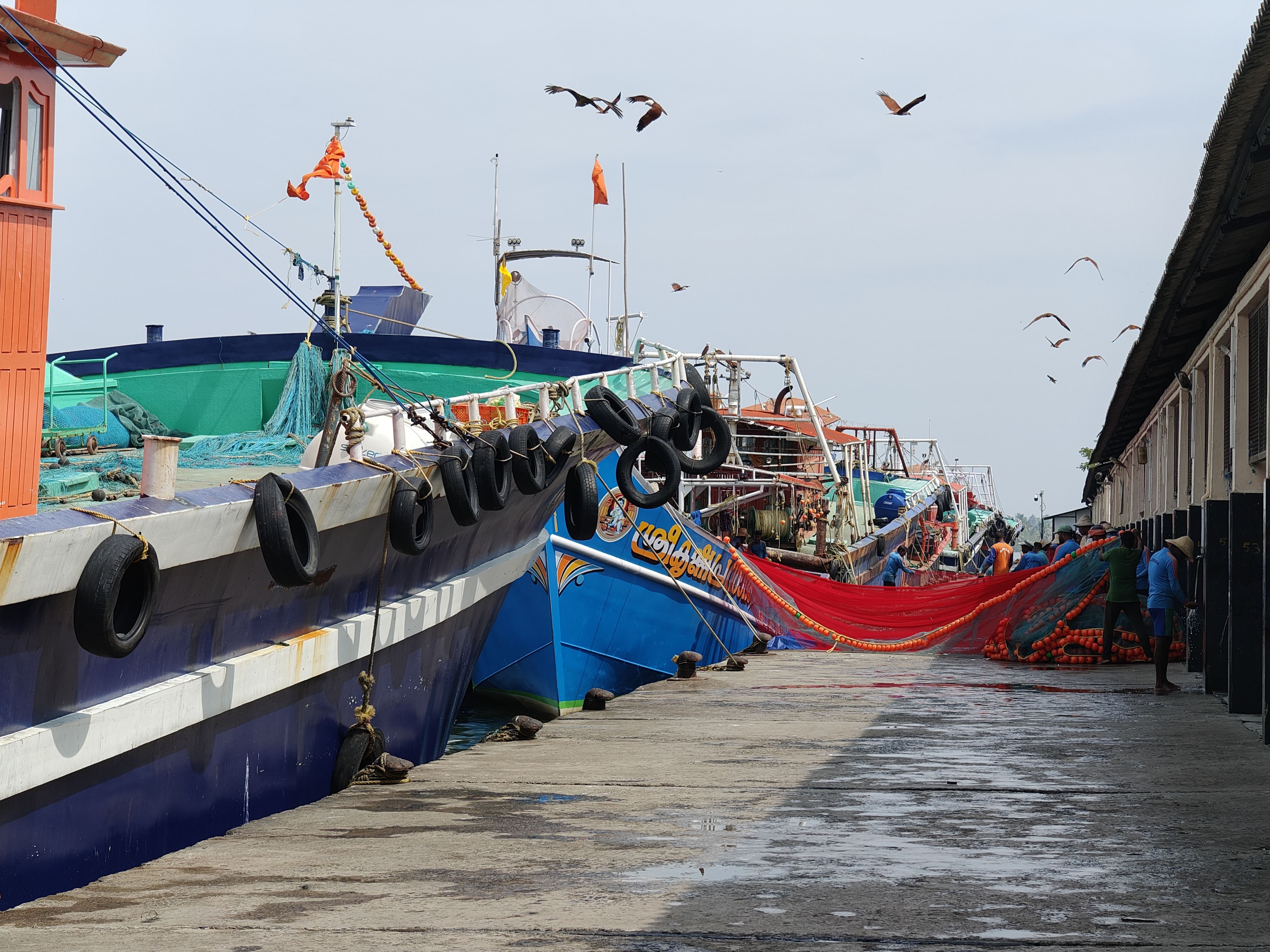
"We have to fill 3000 rupees worth of diesel for 7 days of work, and we do not make that much money from the catch"
Jiyo, an employee at the Munambam Harbour

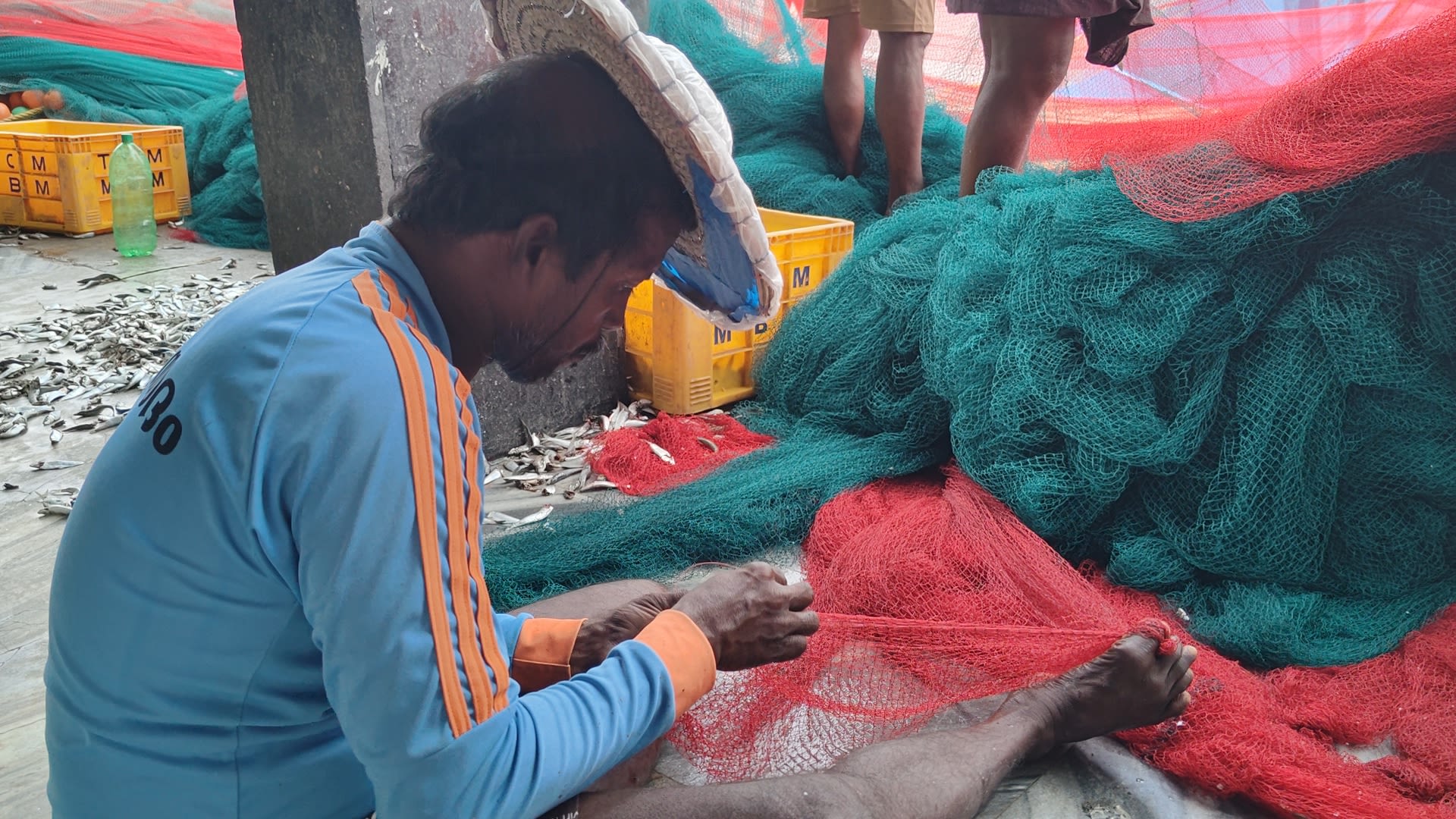
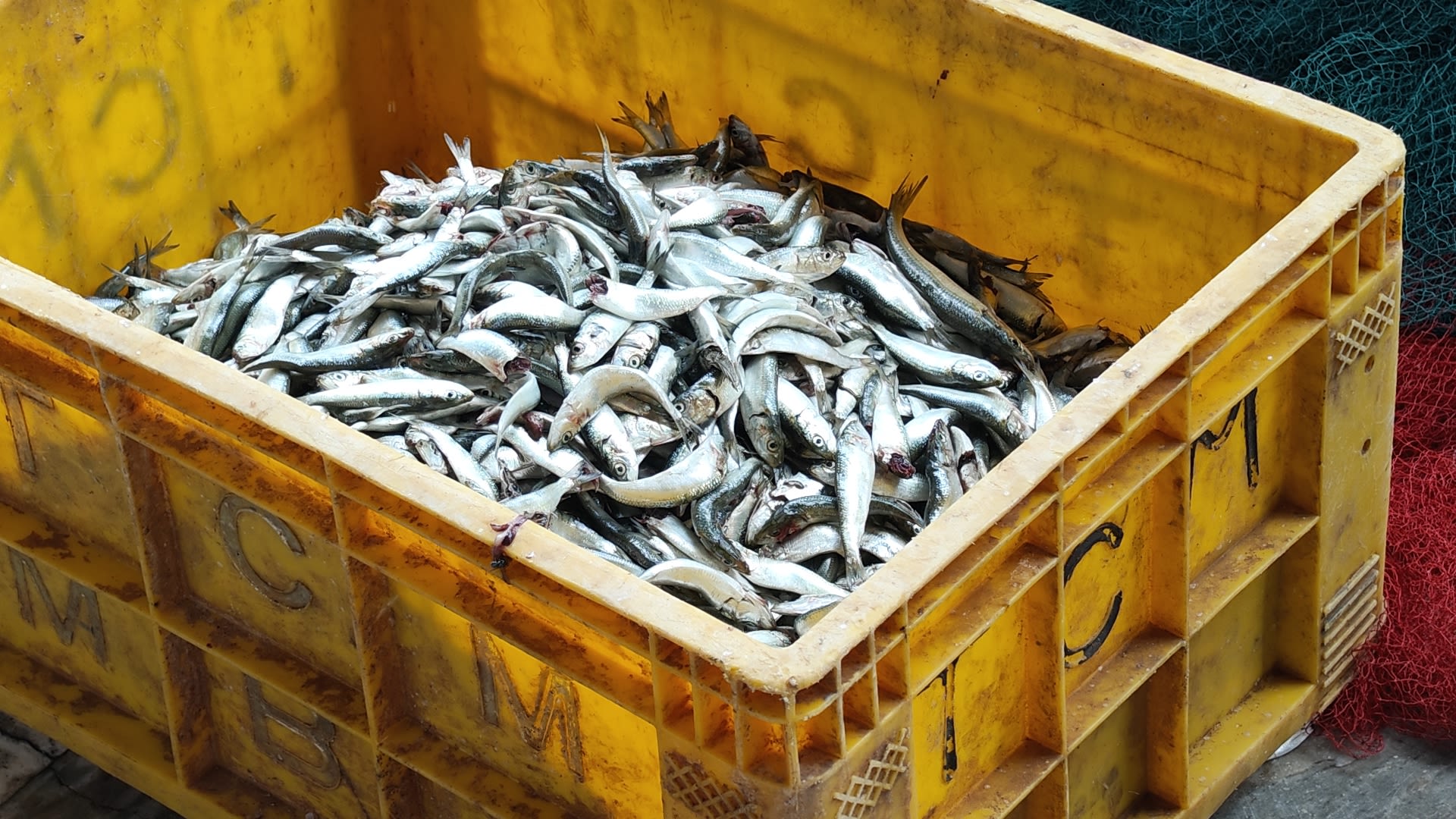
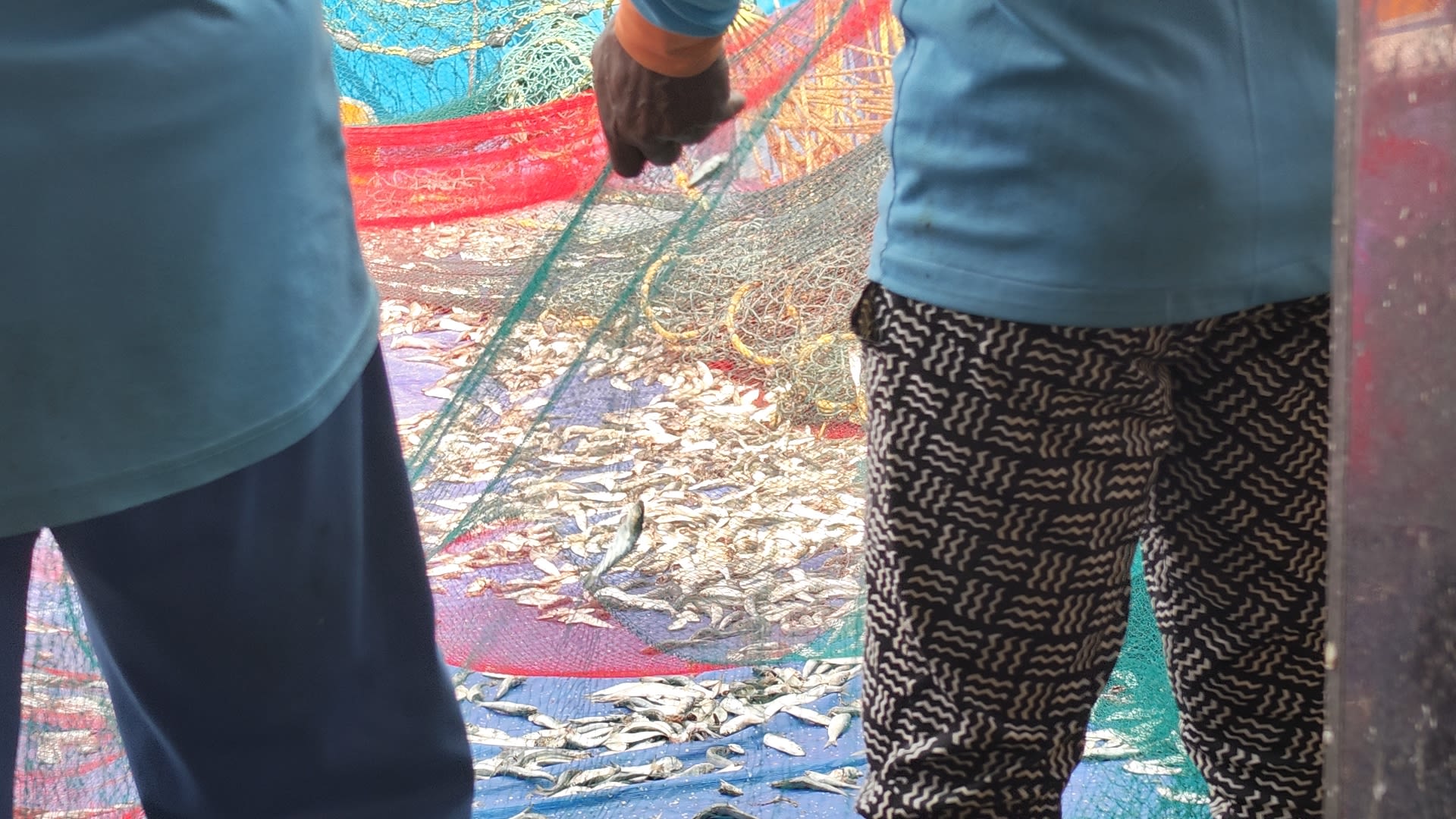
According to Ajayan, a fisherman, there are heavy fines that fishermen have to pay if the fish they catch are smaller than the required size. The government has placed it there to avoid catching small fish that have not yet grown fully.
“The case here is that there is very little fish that is available to catch in our seas these days,” Ajayan says, adding that they have no choice but to catch whatever fish they find.
These small fish are then sold to companies that make manure and chicken feed, as well as fish oil capsules.

“A huge issue for us is the diesel price,” says Jiyo, an employee at Munambam Harbour. “Diesel prices are always increasing. They have to fill Rs. 3,000 rupees worth of diesel for 7 days of work, and we do not make that much money from the catch.”
“No subsidy is being given to us by the government for diesel,” Jiyo adds, pointing out that the Karnataka government does ensure that they provide subsidies to their fishermen.
There is a subsidy of around Rs. 8 rupees that is being provided in harbours like Mangalapuram and Malape by the Karnataka Government, according to fishermen.
"The expense of the trip barely gets covered. They have to ensure that everything that is caught from the sea is sold to make sure expenses are covered."
Jayan, a fisher man at Munambam

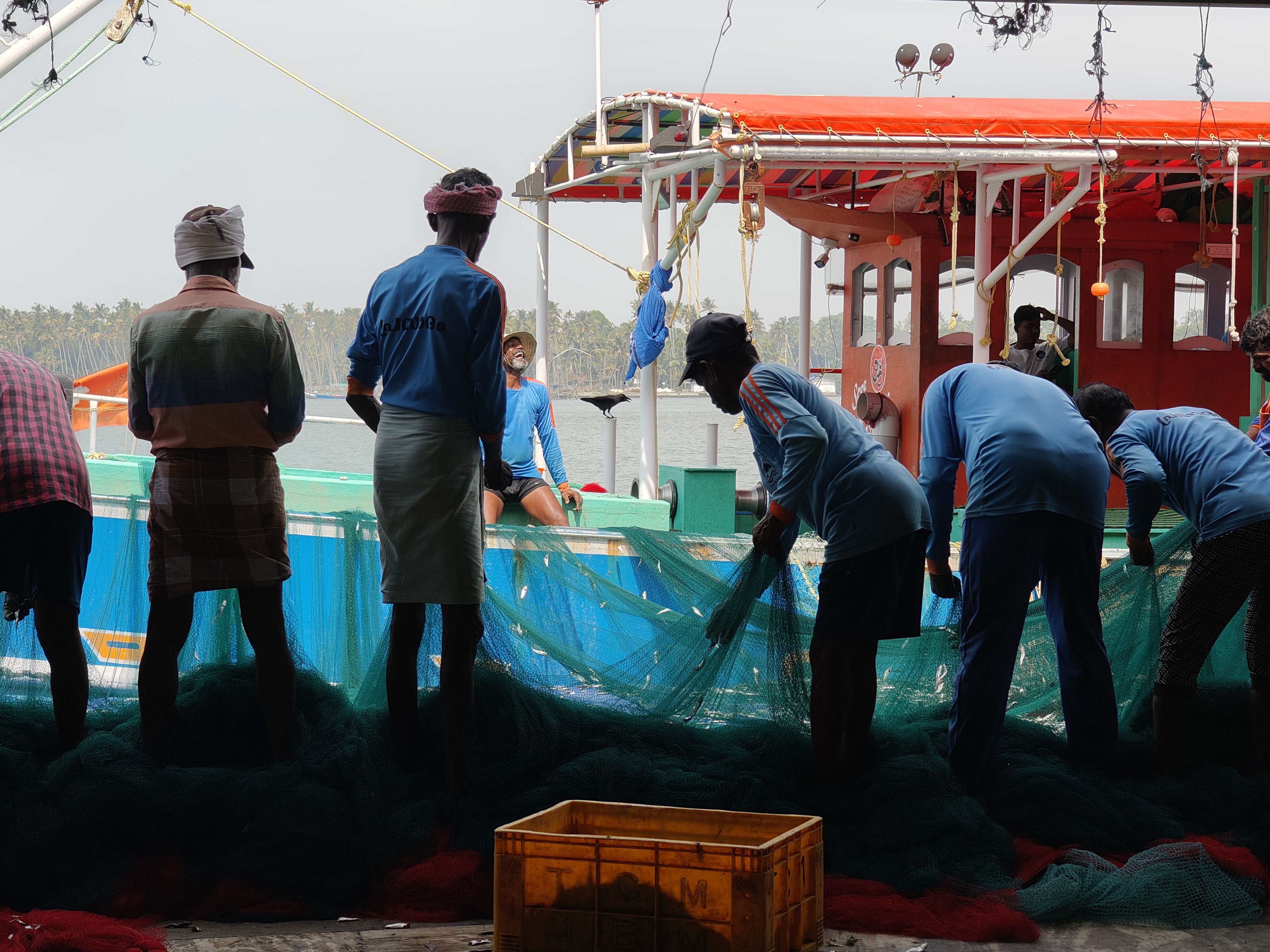
“We get a few different sizes in one catch, and only a crate or two is usually the kind of fish we are allowed to sell,” says Jayan, a fisherman. “The expense of the trip barely gets covered. They have to ensure that everything that is caught from the sea is sold to make sure expenses are covered.”
Gopi, a fisherman from Eriyad, says that the changing rain pattern is a cause for the falling amount of catch. Without proper rain, the fish in rivers and seas decrease significantly, which affects their reproduction process.
The lack of rain impacts the marine habitat as the temperature in the water increases, and this change hinders the healthy process of reproduction.
Sebastian, an employee at the Harbour, cites the example of prawns that are supposed to lay their eggs on reefs or rooted plants that will hold the eggs, but instead, they leave their eggs on floating plastic, and then the eggs are lost.
Less availability of fish implies a dip in earnings. There are many fishermen who have left the job because the work was so underpaid. This has caused many people to take up other jobs to support their families.
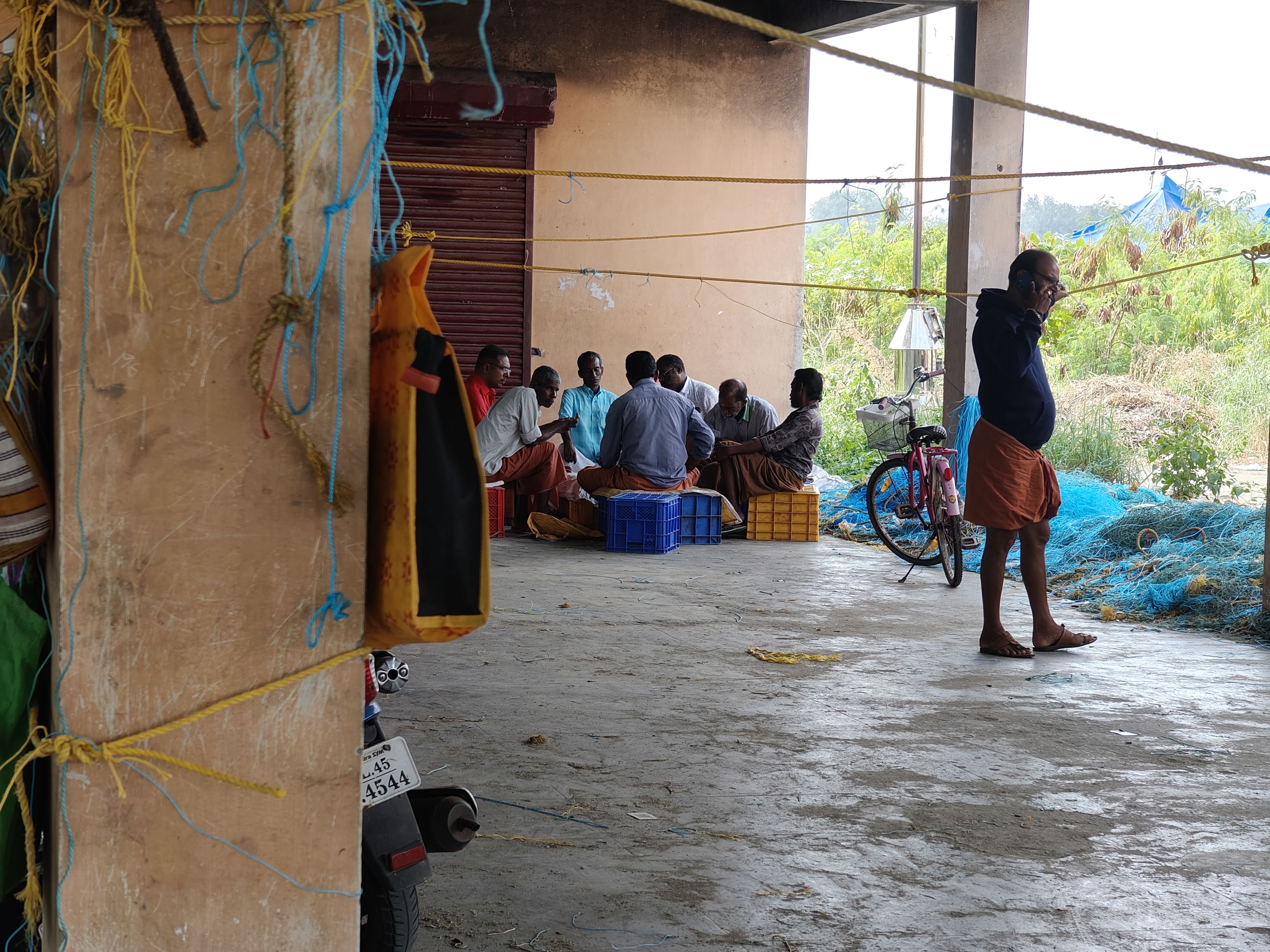
Chandran, a fisherman, says the lack of fish is such a huge issue that it is hard to find workers in the area. “We need people who know the job, and people who have done this all their lives are leaving,” Chandran added. This means that head fishermen, like Chandran, will have to find new workers, which requires a lot of time and effort to teach them the skills required.
Since the catch is so small, fishermen end up using methods that are banned by the government or catching fish that have laws against fishing them.
“We get a few different sizes in one catch, and only a crate or two is usually the kind of fish we are allowed to sell,”
says Jayan, a fisherman.

“We struggle to support our family, and that is because there is not much we are getting from the sea,” Jayan says. According to the law, they are not allowed to fish pelagic fish, as the reduction of these fish imbalances the balance of the marine habitat.
The fishermen are forced to resort to pelagic tolling, which is two fishing boats coming together and then spreading their nets onto the surface of the water while also ensuring that the net does not go to the bottom.
Then the boats move forward together swiftly, sweeping the fish in that area into their net. They have come to a situation where we cannot afford to let anything from the sea go to waste.
“It is not that we catch small fish to break the law, but we have to cover the expenses of the diesel and the manpower that is invested in the trip,” Ajayan concludes.
The reduction of fish is an issue that is getting worse by the day, and the grip of the law and fear of fines continue to haunt the struggling fishermen who are trying to make ends meet.
 Built with Shorthand